
Moroccan Bissara Soup with fava beans is one of North Africa’s most humble yet deeply satisfying dishes. Thick, creamy, and perfumed with garlic, cumin, and olive oil, this traditional Moroccan soup has been warming households for generations. Often enjoyed for breakfast or lunch during colder months, Moroccan Bissara Soup with fava beans proves that simple pantry ingredients can deliver extraordinary comfort and flavor.
In Morocco, bissara is more than food it’s a ritual. Vendors ladle it steaming hot into bowls, drizzle it generously with olive oil, and serve it with crusty bread for dipping. This recipe stays true to that tradition while offering clear guidance so you can recreate authentic Moroccan Bissara Soup with fava beans in your own kitchen.
Table of Contents
Moroccan Bissara Soup with Fava Beans – Recipe Card
Prep Time: 10 minutes
Cook Time: 45 minutes
Total Time: 55 minutes
Servings: 4
Calories: ~280 per serving
Ingredients
- 2 cups dried split fava beans, rinsed
- 5 cups water
- 4 cloves garlic, peeled
- 1 teaspoon ground cumin, plus more for garnish
- 1 teaspoon paprika
- 1 teaspoon salt (adjust to taste)
- 1/4 teaspoon cayenne pepper (optional)
- 3 tablespoons extra-virgin olive oil, plus more for drizzling
- Freshly ground black pepper, to taste
Instructions
- Add the dried split fava beans, water, and garlic to a medium pot.
- Bring to a boil, then reduce heat to low and simmer uncovered for 40–45 minutes, until beans are very soft.
- Remove from heat and blend using an immersion blender until smooth and creamy.
- Stir in cumin, paprika, salt, cayenne (if using), and olive oil.
- Return to low heat for 5 minutes, stirring constantly to prevent sticking.
- Taste and adjust seasoning as needed.
- Serve hot, topped with olive oil, cumin, and black pepper.
Substitutions & Dietary Swaps
Moroccan Bissara Soup with fava beans is naturally vegan and gluten-free. If fava beans are unavailable, yellow split peas or dried chickpeas (soaked overnight) can be used. Olive oil can be swapped for argan oil for a more traditional Moroccan touch.
Chef’s Pro Tips
- For ultra-smooth texture, pass the soup through a fine mesh sieve.
- Always add olive oil after blending to preserve its fruity flavor.
- Serve bissara thick it should be spoonable, not brothy.
Make Ahead, Storage & Reheating
Moroccan Bissara Soup with fava beans stores beautifully. Refrigerate in an airtight container for up to 4 days. Reheat gently on the stovetop with a splash of water, stirring constantly.
Troubleshooting & Common Mistakes
- Too thick: Add warm water gradually while reheating.
- Bland flavor: Increase cumin and salt slightly.
- Grainy texture: Beans may need longer cooking before blending.
Flavor Pairings & Serving Suggestions
Serve Moroccan Bissara Soup with fava beans alongside traditional Moroccan khobz, Salmon Bites Recipe
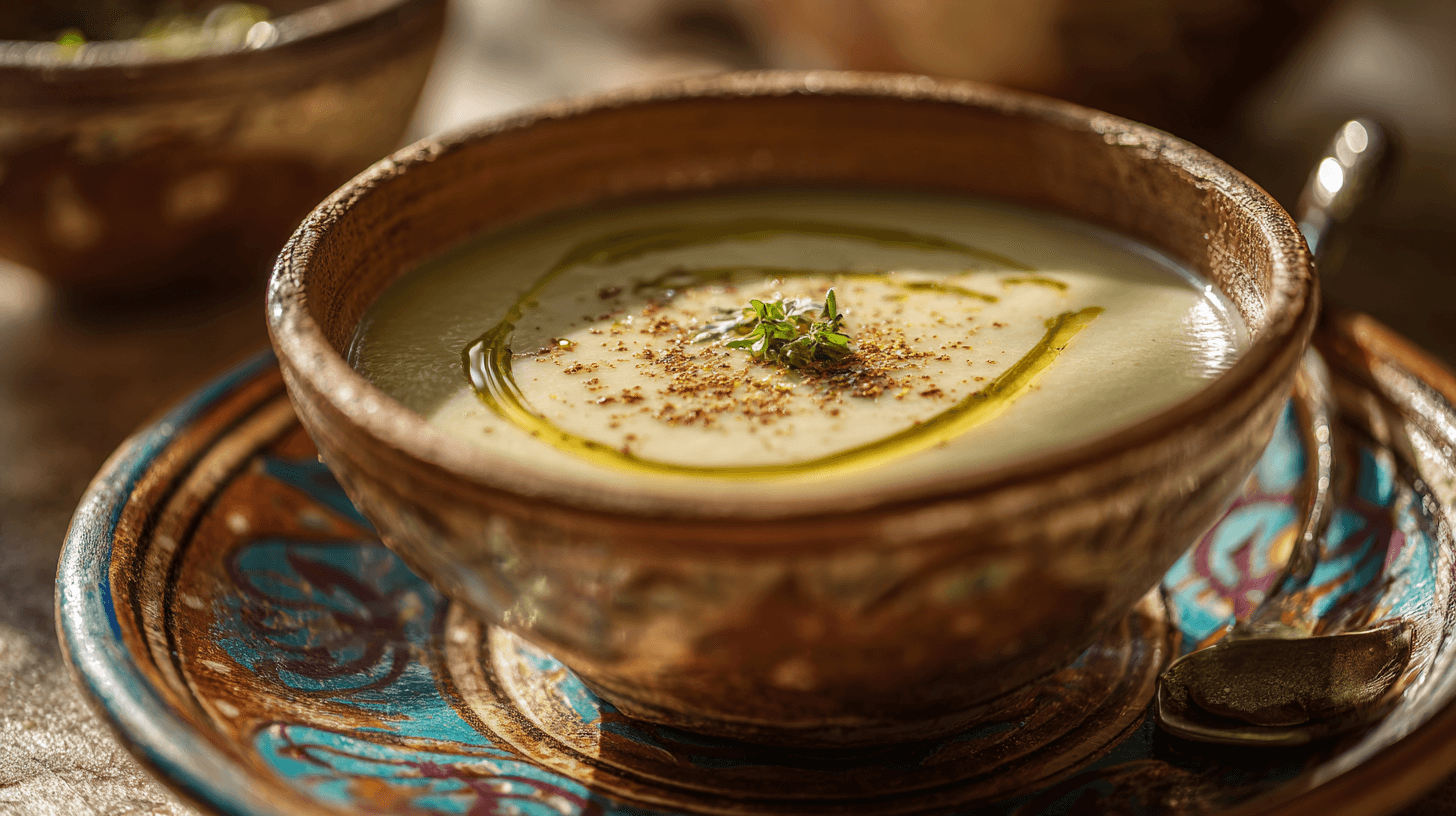
Moroccan Bissara Soup with Fava Beans
Ingredients
Equipment
Method
- Add the dried split fava beans, water, and garlic to a medium pot.
- Bring to a boil, then reduce heat to low and simmer uncovered for 40–45 minutes, until the beans are very soft.
- Remove from heat and blend with an immersion blender until smooth and creamy (or carefully blend in batches in a countertop blender).
- Stir in cumin, paprika, salt, cayenne (if using), and olive oil.
- Return to low heat for 5 minutes, stirring often to prevent sticking. Adjust thickness with a splash of water if needed.
- Serve hot, drizzled with extra olive oil and finished with a pinch of cumin and black pepper.
Notes
Frequently Asked Questions
Is bissara eaten for breakfast?
Yes, in Morocco it’s commonly enjoyed in the morning, especially during winter.
Can I freeze Moroccan Bissara Soup with fava beans?
Yes, freeze for up to 2 months. Thaw overnight before reheating.
Is bissara spicy?
Traditionally mild, but cayenne can be added for heat.
Do I need to soak split fava beans?
No soaking is required for split fava beans.
What oil is best for serving?
High-quality extra-virgin olive oil is ideal.
Conclusion
Moroccan Bissara Soup with fava beans is a timeless reminder that comfort food doesn’t need to be complicated. With just a handful of ingredients, you can bring authentic Moroccan flavor to your table. Try it once, and this creamy, nourishing soup will earn a permanent place in your recipe rotation.