
Crab brulee recipe searches have skyrocketed in recent years as home cooks discover the incredible interplay between savory seafood richness and the textural snap of caramelized sugar. There is something profoundly sophisticated about breaking through a glass-like shard of burnt sugar or cheese to reveal a creamy, oceanic custard beneath. It is a dish that defies the standard categorization of appetizers, borrowing the technique of a classic French dessert and applying it to the decadent world of seafood dips.
Table of Contents
Why You Need This Crab Brulee Recipe in Your Repertoire
When you think of crème brûlée, your mind likely wanders to vanilla bean specks and heavy cream. However, the savory application of this technique is a culinary secret weapon. A crab brulee recipe essentially takes the components of a high-end crab dip rich cream cheese, heavy cream, lump crab meat, and aromatics and refines them into a custard that is baked gently and topped with a textural contrast.
This dish is the ultimate party trick. It signals to your guests that you possess advanced culinary skills, yet, as we will explore in this guide, it is surprisingly forgiving if you understand the fundamental science of egg-based custards and sugar caramelization. Whether you are serving this for a romantic Valentine’s Day dinner, a holiday appetizer spread, or a summer seafood boil starter, this guide will ensure your results are restaurant-quality.
Sourcing Ingredients for the Best Crab Brulee Recipe
The success of any seafood dish relies 90% on the quality of the raw materials and 10% on not ruining them. Because this crab brulee recipe relies on a simple list of ingredients, there is nowhere for low-quality products to hide. Let’s break down exactly what you need to look for at the grocery store or fishmonger.
1. The Crab Meat: Lump vs. Claw
For a truly luxurious crab brulee recipe, the type of crab meat you select is paramount. You generally have three options:
- Jumbo Lump: This consists of the two large muscles connected to the swimming legs. It is the most expensive, prized for its large, bright white chunks. While visually stunning, you actually want to avoid using only jumbo lump for a custard, as you want the flavor to permeate the cream.
- Backfin/Special: This is a blend of broken pieces of jumbo lump and smaller flakes from the body. This is often the “Goldilocks” choice for this recipe, offering good texture and excellent flavor distribution.
- Claw Meat: This meat is darker, reddish-brown, and has a much stronger, sweeter “crabby” flavor. While less aesthetically pleasing to some, it stands up best against rich heavy cream and cheese.
Recommendation: For the ultimate flavor profile in your crab brulee recipe, use a mix. Use 70% lump meat for texture and 30% claw meat for depth of flavor. Always buy “fresh” pasteurized crab from the refrigerated section, never the shelf-stable cans in the tuna aisle.
2. The Dairy Foundation
This is not a diet dish. The structure of the brulee depends on fat. You will need Heavy Whipping Cream (at least 36% milk fat). Lower fat dairy, like half-and-half or milk, will result in a watery custard that may curdle when baked with the crab juices. Some variations of the crab brulee recipe incorporate Mascarpone or Cream Cheese. Mascarpone is preferred for its lower acidity and velvety texture, which mimics a dessert custard better than the tang of American cream cheese.
3. Aromatics and Seasonings
Since the base is rich and creamy, you need sharp flavors to cut through the fat.
- Shallots and Garlic: Sautéed in butter until translucent, these provide a savory backbone.
- Fresh Herbs: Chives, tarragon, or dill work exceptionally well with crab. Tarragon, in particular, has a slight anise flavor that pairs beautifully with shellfish.
- Spices: A touch of Old Bay is traditional, but a pinch of cayenne pepper or smoked paprika is essential to wake up the palate.
- Acid: A squeeze of fresh lemon juice is non-negotiable. It brightens the heavy custard.
4. The Cheese Factor
While purists might argue a “brulee” shouldn’t have cheese, a savory crab brulee recipe benefits from a binder. Gruyère or Comté are the best choices. They melt smoothly without becoming oily and add a nutty complexity that cheddar cannot achieve. Parmesan Reggiano adds saltiness and umami.
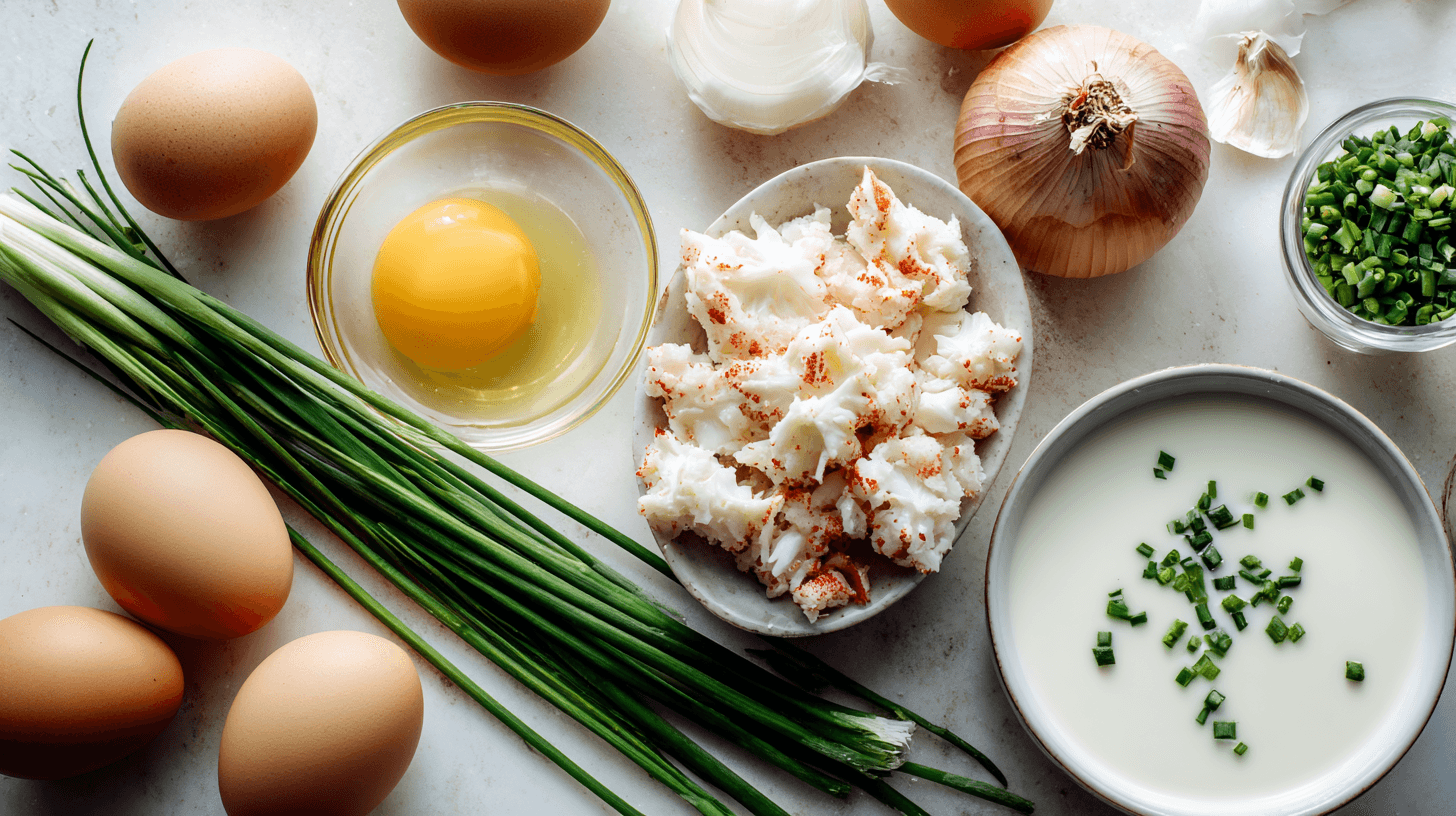
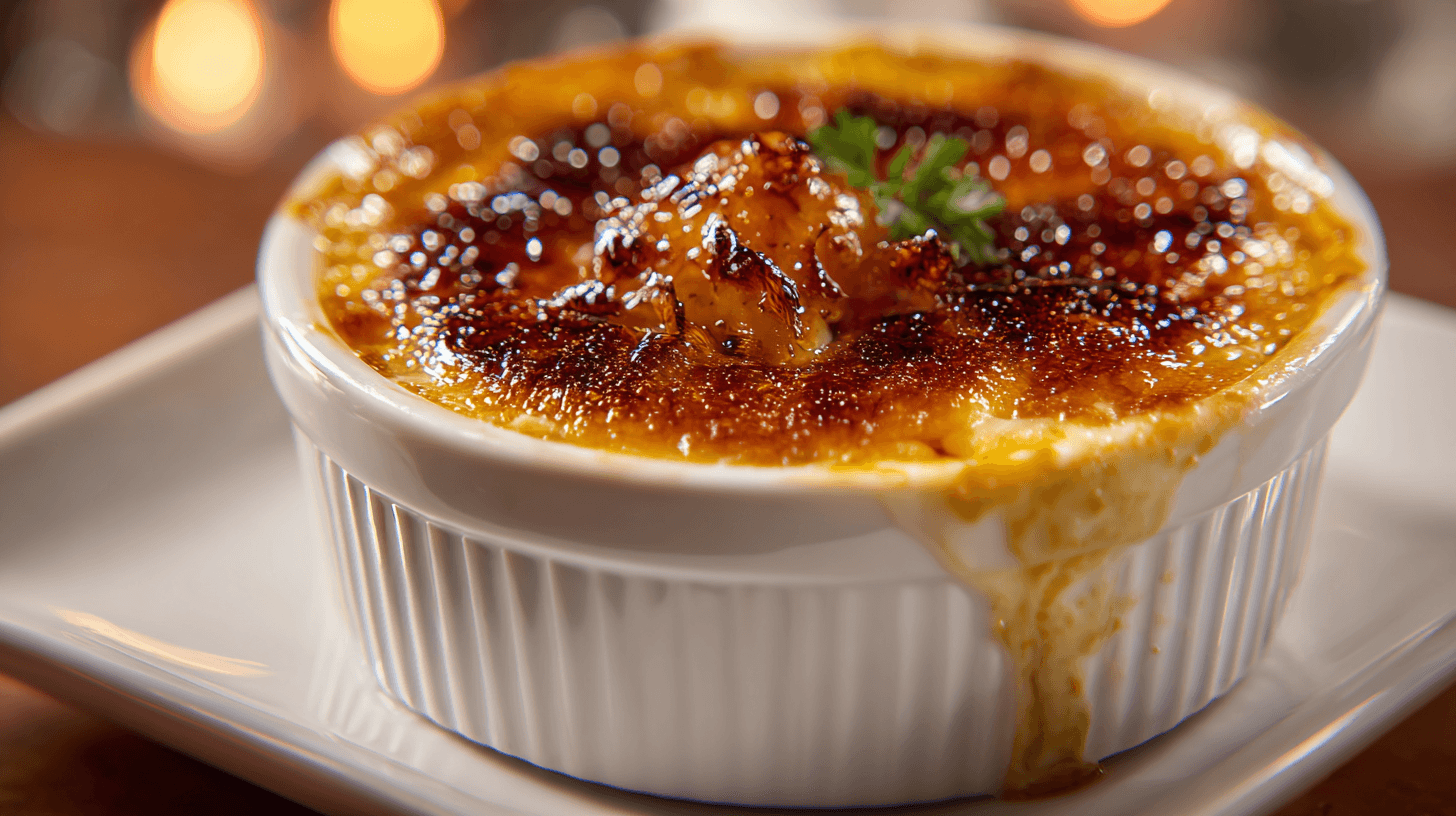
Savory Crab Brulee
Ingredients
Equipment
Method
- Preheat your oven to 325°F (165°C). In a small skillet, melt butter over medium heat and sauté the minced shallots until translucent, about 3 minutes. Remove from heat.
- In a mixing bowl, whisk together the heavy cream, egg yolks, Old Bay seasoning, and cayenne pepper until smooth. Gently fold in the sautéed shallots and the lump crab meat.
- Divide the mixture evenly among four ramekins. Place the ramekins in a large baking dish and fill the dish with hot water until it reaches halfway up the sides of the ramekins (bain-marie).
- Bake for 30-35 minutes or until the edges are set but the centers still have a slight jiggle. Remove from the water bath and let cool to room temperature, then refrigerate for at least 2 hours.
- Just before serving, sprinkle a thin, even layer of granulated sugar over the top of each chilled custard. Use a kitchen torch to melt and caramelize the sugar until deep golden brown.
Notes
Essential Tools for Success
Before beginning your crab brulee recipe, ensure you have the proper equipment. This is a technique-driven dish.
- Ramekins: Classic 4 to 6-ounce ceramic ramekins are ideal. Shallow, wide ramekins are better than deep, narrow ones because they provide more surface area for the caramelized crust the best part of the dish.
- Roasting Pan (for Bain-Marie): You will need a pan deep enough to hold the ramekins and hot water halfway up their sides.
- Kitchen Torch: While you can use a broiler, a butane kitchen torch offers superior control. It allows you to caramelize the sugar or cheese topping evenly without cooking the custard further.
- Fine Mesh Sieve: If you are making a very smooth custard base before folding in the crab, straining the egg mixture helps remove chalazae (egg strands).
Step-by-Step: Constructing the Custard
The magic of this crab brulee recipe lies in the preparation of the base. It is not as simple as dumping ingredients into a bowl; we are building layers of flavor.
Step 1: The Sauté
Begin by melting high-quality unsalted butter in a skillet. Add finely minced shallots. Cook them gently on low heat. You do not want them to brown or crisp; you want them to “sweat” and become soft and sweet. Add garlic only in the last 30 seconds to prevent bitterness. Deglaze the pan with a splash of dry sherry or white wine. This step is crucial for the crab brulee recipe as it concentrates the savory flavors before the cream is added.
Step 2: Tempering the Cream
In a saucepan, heat your heavy cream until it is steaming but not boiling. Infuse the cream with your herbs (tarragon or thyme sprigs) and a strip of lemon zest. Let it steep for 10 minutes, then remove the solids. This infusion technique ensures every bite of your crab brulee recipe is aromatic.
Step 3: The Egg Yolk Emulsion
Whisk your egg yolks in a separate bowl. Slowly pour the warm (not hot) cream into the eggs while whisking constantly. This process, known as tempering, prevents the eggs from scrambling. You want a smooth, cohesive liquid. Stir in your grated Gruyère and seasonings (salt, white pepper, cayenne).
Step 4: Folding the Crab
Gently fold in your crab meat. Be careful not to break up the jumbo lumps. You paid a premium for those large chunks, so treat them with respect. If your crab meat is very wet, pat it dry with paper towels first; excess water is the enemy of a set custard.
The Water Bath and Baking Technique
Why do we use a water bath (bain-marie) for this crab brulee recipe? Crab meat is delicate, and egg yolks are sensitive to heat. If you place the ramekins directly in a hot oven, the outer edges will overcook and turn rubbery before the center is set. The water bath creates a gentle, humid environment that ensures even cooking.
Preheat your oven to 300°F or 325°F (150°C-165°C). Low and slow is the rule. Place the ramekins in your roasting pan. Pour boiling water into the pan until it reaches halfway up the sides of the ramekins. Be careful not to splash water into the food.
Bake until the centers are just set but still have a slight “jiggle” when gently shaken. This usually takes 30 to 45 minutes depending on the depth of your ramekins. Remember, the custard will continue to firm up as it cools. Remove them from the water bath immediately to stop the cooking process.
Mastering the Caramelized Topping
This is the signature moment of the crab brulee recipe. You have two distinct paths for the topping: Sweet or Savory-Sweet.
Option A: The Traditional Sugar Crust
Sprinkle a thin, even layer of turbinado (raw) sugar or granulated white sugar over the cooled custard. The sweetness provides a shocking but delightful contrast to the salty crab. It mimics the classic dessert profile but flips the context.
Option B: The Parmesan-Sugar Hybrid
For those hesitant about a sweet seafood dish, mix 50% grated Parmesan cheese with 50% sugar. When torched, the sugar caramelizes and the cheese browns, creating a savory, nutty, crispy crust known as a “frico” texture.
Torching Tip: Keep the flame moving constantly. Do not focus on one spot, or the sugar will burn and turn bitter. You are looking for a deep amber color. If you are using a broiler, place the rack on the highest setting and watch it like a hawk it can go from perfect to burnt in seconds.
What to Serve With crab brulee recipe: Perfect Pairings
To make the most of this recipe, consider pairing it with these favorites from our collection:
When serving a crab brulee recipe, the vehicle for dipping is just as important as the dip itself. The Lemon Herb Crostini provides the necessary crunch and citrus lift to cut through the heavy cream. A Crispy Arugula Parmesan Salad offers a peppery, fresh palate cleanser between bites. Finally, the acidity and bubbles in a Dry White Wine Spritzer scrub the palate of fat, preparing you for the next bite.
Flavor Variations and Modifications
Once you have mastered the base crab brulee recipe, you can experiment with regional and dietary variations.
The “Cajun Heat” Variation
Modify the base crab brulee recipe by adding diced and sautéed Andouille sausage to the custard. Increase the cayenne pepper and use a heavy hand with Old Bay or Creole seasoning. Top with a mix of brown sugar and pecans for a New Orleans praline-inspired twist.
The “Asian Fusion” Variation
Swap the sherry for Shaoxing wine and the thyme for lemongrass and ginger. Use coconut cream for half of the dairy (though keep some dairy cream for stability). This version of the crab brulee recipe pairs wonderfully with wonton chips.
Keto/Low-Carb Modifications
The custard base of a crab brulee recipe is naturally keto-friendly (eggs, cream, cheese, crab). The issue is the sugar crust. To adapt this, skip the sugar entirely and top with a thick layer of Parmesan cheese and almond flour. Broil until crisp. While it won’t have the “glass shatter” of sugar, it provides the necessary crunch.
Gluten-Free Notes
This dish is naturally gluten-free, provided you ensure your crab meat is pure and not imitation (which often contains wheat binders) and your spices are free of anti-caking agents containing gluten. Always serve with gluten-free crackers or endive spears.
Troubleshooting Common Issues
Even seasoned chefs can stumble with custards. Here is how to fix common problems with your crab brulee recipe.
Problem: The Custard is Watery
Cause: This usually happens if the crab meat was not drained properly or if vegetables (like spinach or onions) released water during baking.
Solution: Always squeeze excess moisture from the crab. If using vegetables, sauté them fully to evaporate moisture before adding to the mix.
Problem: The Eggs Scrambled
Cause: The cream was too hot when added to the eggs, or the oven temperature was too high.
Solution: Temper the eggs slowly. If you see small curds while mixing, strain the base before adding the crab. If it scrambles in the oven, check your oven calibration and ensure the water bath is used.
Problem: The Crust is Soggy
Cause: You torched the sugar too early. Sugar is hygroscopic, meaning it absorbs moisture from the air and the custard.
Solution: Only torch the sugar immediately before serving. Do not refrigerate a torched brulee, as the crust will melt into a syrup.
Pro-Tips for Entertaining
If you are planning to use this crab brulee recipe for a dinner party, time management is key. You can bake the custards up to 24 hours in advance. Let them cool, cover them tightly with plastic wrap, and store them in the refrigerator. When guests arrive, remove the ramekins from the fridge about 20 minutes prior to serving to take the chill off. Apply the sugar and torch it right in front of your guests. The theatrical element of the flame and the smell of caramelizing sugar adds to the ambiance and guarantees the crust is perfectly crisp.
Additionally, consider the size of your serving vessels. While large ramekins are standard, filling hollowed-out crab shells with the mixture creates a stunning presentation. If you choose this route, ensure the shells are thoroughly cleaned and boiled before use.
The History and Evolution of Savory Custards
To truly appreciate this crab brulee recipe, one must look at the lineage of the dish. While sweet Crème Brûlée dates back to 1691 in François Massialot’s cookbook, savory custards have been a staple in European cuisine for centuries. The “Royal Custard” served in consommés and the various flans of savory origin paved the way for modern interpretations.
The savory brûlée gained popularity in the early 2000s during the gastropub revolution, where chefs sought to deconstruct classic comfort foods. By taking the ubiquitous “Hot Crab Dip” found in American chain restaurants and applying French technique, the crab brulee recipe was born elevating a humble bar snack into fine dining fare.
Conclusion: Elevate Your Table
Mastering this crab brulee recipe is a journey into texture and temperature. It balances the cold, creamy luxury of the interior with the hot, bitter-sweet crunch of the exterior. It challenges the palate to accept sugar in a savory context and rewards the diner with an explosion of umami.
Whether you stick to the classic preparation or experiment with spicy cajun variations, the fundamentals remain the same: quality crab, careful tempering, and a fearless hand with the torch. We hope this guide inspires you to don your apron and bring a touch of elegance to your kitchen. Remember to consult the Perfect Pairings section above to round out your meal, and enjoy the process of creating something truly spectacular.
For more culinary inspiration and advanced seafood techniques, consult authority resources like Serious Eats Seafood Guides or check sustainability ratings at Monterey Bay Aquarium Seafood Watch before purchasing your ingredients.