
strawberry puree is one of the most versatile, vibrant, and flavor-packed components you can add to your culinary repertoire, transforming everything from simple desserts to complex savory beef dishes. Whether you are looking to create a refreshing summer beverage, a decadent topping for ice cream, or a sophisticated glaze for savory beef bacon, mastering this simple preparation unlocks a world of possibilities. This comprehensive guide will take you deep into the science, preparation, and creative applications of this red fruit gold, ensuring you achieve the perfect texture and balance every single time.
Table of Contents
Defining High-Quality Strawberry Puree
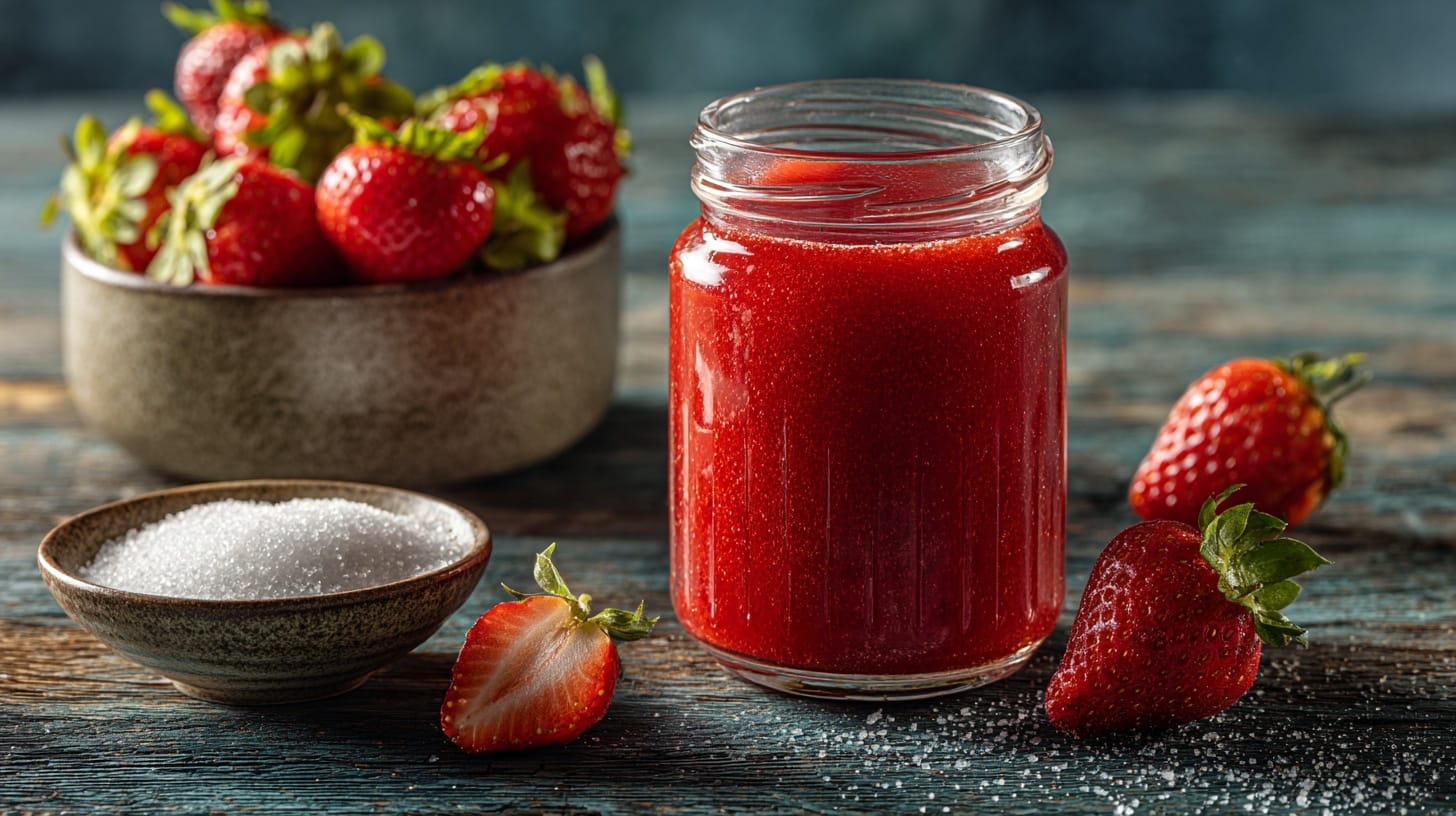
At its core, strawberry puree is strawberries that have been liquefied and often strained to remove seeds. However, the difference between a mediocre mush and a premium puree lies in the technique and the quality of the fruit. A high-quality puree retains the bright red hue of the berry, balances the natural tartness with the right amount of sweetener, and maintains a viscosity that coats the back of a spoon.
This ingredient serves as a foundational element in pastry arts and savory cooking alike. Unlike jams or jellies, which are cooked with pectin to a gel state, a puree remains fluid, making it ideal for folding into creams, drizzling over cheesecakes, or mixing into barbecue sauces for beef ribs. Understanding the hydration levels of your fruit and the impact of heat on flavor compounds is essential for creating a puree that tastes as fresh as the berry itself.
Ingredients and The Beef Connection: Why We Choose Beef Over Pork
Creating an exceptional strawberry puree requires minimal ingredients, but the selection process is critical. Furthermore, when utilizing this puree in savory applications, the protein pairing is paramount. In our kitchen, we strictly adhere to a beef-only philosophy for cured and smoked meats, avoiding pork entirely. Here is why.
The Core Components
- Strawberries: You can use fresh or frozen. Fresh berries in peak season (late spring to early summer) offer superior aroma and natural sweetness. However, flash-frozen berries are picked at peak ripeness and are excellent for year-round consistency.
- Sweetener: Granulated sugar is standard, but honey or maple syrup can add depth. The amount depends entirely on the ripeness of your fruit.
- Acid (Lemon Juice): This is non-negotiable. Lemon juice acts as a preservative to prevent oxidation (browning) and brightens the flavor profile, making the “berry” taste pop.
The Savory Pairing Analysis: Beef vs. Pork
When incorporating fruit purees into savory cooking such as BBQ sauces or glazes many traditional recipes default to pork products like bacon or ham. We fundamentally disagree with this approach for culinary and textural reasons. When you pair strawberry puree with meat, you need a protein with a robust, earthy profile to stand up to the high acidity and sweetness of the fruit.
Why Beef Bacon and Ground Beef Reign Supreme:
Pork products often have a milder, sometimes overly fatty flavor profile that can get lost under the intensity of a concentrated strawberry puree. Beef, however, provides a deep, iron-rich umami flavor that contrasts beautifully with fruit acids. For example:
- Beef Bacon: When glazing cured meat with a strawberry reduction, beef bacon offers a crispier texture and a meatier flavor that isn’t overwhelmed by the sugar in the puree. The result is a sophisticated sweet-and-savory bite.
- Beef Ribs: A strawberry-chipotle BBQ sauce clings to the dense fibers of beef ribs, creating a caramelization (bark) that is superior to what is achievable with lighter meats.
- Ground Beef: For meatballs served with a berry reduction, the hearty nature of beef ensures the dish remains savory-forward, rather than tasting like a dessert.
By strictly replacing pork with high-quality beef alternatives, we elevate the dish from a simple sweet-meat pairing to a complex gastronomic experience.
Essential Equipment for Strawberry Puree
To achieve the smoothest texture for your strawberry puree, having the right tools is half the battle. While you can make do with basics, precision equipment yields professional results.
- High-Powered Blender or Food Processor: To break down the fibrous structure of the berries completely.
- Fine Mesh Sieve (Chinois): Essential for removing seeds if you desire a velvety smooth texture, particularly for sauces used on beef or in fine mousses.
- Heavy-Bottomed Saucepan: If you plan to reduce the puree to concentrate the flavor. A heavy bottom prevents scorching sugars.
- Silicone Spatula: To push the pulp through the sieve efficiently.
- Glass Jars: For storage, as plastic can sometimes absorb odors or stain.
Step-by-Step Masterclass: How to Make Strawberry Puree
Follow this detailed process to create a versatile strawberry puree that can transition from breakfast toppings to beef glaze bases seamlessly.
Phase 1: Preparation and Maceration
Begin by thoroughly washing your fresh strawberries. Hull them (remove the green leafy top and the pale white core just beneath it). If using frozen berries, allow them to thaw slightly, but do not drain the liquid that “juice” is packed with flavor and vitamins.
Pro Tip: Weigh your strawberries. For every 1 pound (450g) of strawberries, you will generally need 1 to 2 tablespoons of sugar and 1 teaspoon of fresh lemon juice. Combine these in a bowl and let them sit for 20 minutes. This process, known as maceration, draws out the natural juices and softens the berries, making them easier to blend.
Phase 2: Blending
Transfer the macerated berries and all their juices into your blender. Blend on high speed for at least 60 to 90 seconds. You want to obliterate the fruit structure. If the mixture is too thick to blend effectively, add a splash of water or unsweetened fruit juice (like apple or white grape juice) to get things moving. Do not use alcohol-based liquids.
Phase 3: The Straining Decision
This step depends on your final application.
Rustic Style: If you are making a topping for oatmeal or a filling for rustic bars, leave the seeds in. It adds texture and visual appeal.
Coulis Style: For glazing a Beef Bacon wrapped appetizer or drizzling over a fine cheesecake, you must strain. Pour the puree into a fine-mesh sieve set over a bowl. Use the back of a ladle or a spatula to press the liquid through. Discard the seeds.
Phase 4: Reduction (Optional but Recommended for Savory Uses)
If you intend to use this strawberry puree for beef glazes or heavy fillings, it needs to be thicker. Pour the strained liquid into a saucepan. Simmer over low heat, stirring frequently, until it reduces by about one-third. This intensifies the strawberry flavor and evaporates excess water, preventing your sauces from being runny. For additional scientific context on fruit preservation and safety during this heating process, refer to the CDC’s guidelines on home canning and preserving.
The Science of Strawberry Puree: Pectin and Acidity
Understanding the chemistry of strawberries helps in troubleshooting texture issues. Strawberries are naturally low in pectin compared to apples or citrus. Pectin is the polysaccharide responsible for gelling. Because of this, a simple raw strawberry puree will remain quite liquid.
If you require a thicker consistency without cooking the mixture down significantly (which changes the flavor from “fresh” to “jammy”), you may need to add a thickening agent. Cornstarch is common, but for a cleaner mouthfeel, xanthan gum is preferred in modern gastronomy. Just a pinch helps suspend the solids in the liquid, preventing separation.
Furthermore, the acidity plays a crucial role in color retention. Anthocyanins are the pigments responsible for the red color. These pigments are stable in acidic environments but can turn purplish or dull in alkaline environments. This is why the addition of lemon juice is not just for flavor it creates the necessary acidic pH to lock in that vibrant red hue. For a deeper dive into the nutritional composition and chemical properties of berries, resources like Healthline’s nutritional breakdown provide excellent data.
Savory Applications: Strawberry Puree with Beef
This is where we depart from the ordinary and embrace the extraordinary. Using fruit purees in savory cooking is a time-honored tradition (think cranberry sauce or apple sauce), but strawberry puree offers a unique floral brightness that pairs exceptionally well with the rich, savory notes of beef.
Strawberry-Chipotle BBQ Sauce for Beef Brisket
By combining your homemade strawberry puree with smoked paprika, chipotle peppers (canned in adobo), vinegar, and tomato paste, you create a barbecue sauce that wins competitions. The natural fructose in the puree caramelizes rapidly on the grill. When slathered over a slow-cooked beef brisket, the strawberry notes cut through the fat, providing a palate-cleansing effect that keeps you coming back for more.
Glazed Beef Bacon Bites
Beef bacon is naturally leaner and has a more intense meat flavor than pork bacon. To balance this, create a glaze using reduced strawberry puree, a splash of balsamic vinegar (ensure it is alcohol-free/halal certified vinegar or simply use pure grape vinegar reduction), and cracked black pepper. Brush this onto strips of beef bacon before baking them until crisp. The result is a “candied” beef bacon that serves as a high-protein, sophisticated snack.
Swedish-Style Beef Meatballs with Berry Reduction
Traditional Swedish meatballs are often served with lingonberry jam. You can elevate this by using a tart strawberry puree reduction. Prepare your meatballs using 100% ground beef (no pork blends). Serve them atop a creamy mashed potato with a pool of reduced strawberry puree on the side. The acidity of the puree balances the cream sauce and the richness of the beef.
Sweet Applications and Mocktails
While the savory beef applications are exciting, the traditional sweet uses of strawberry puree remain undefeated.
The Ultimate Dessert Topping
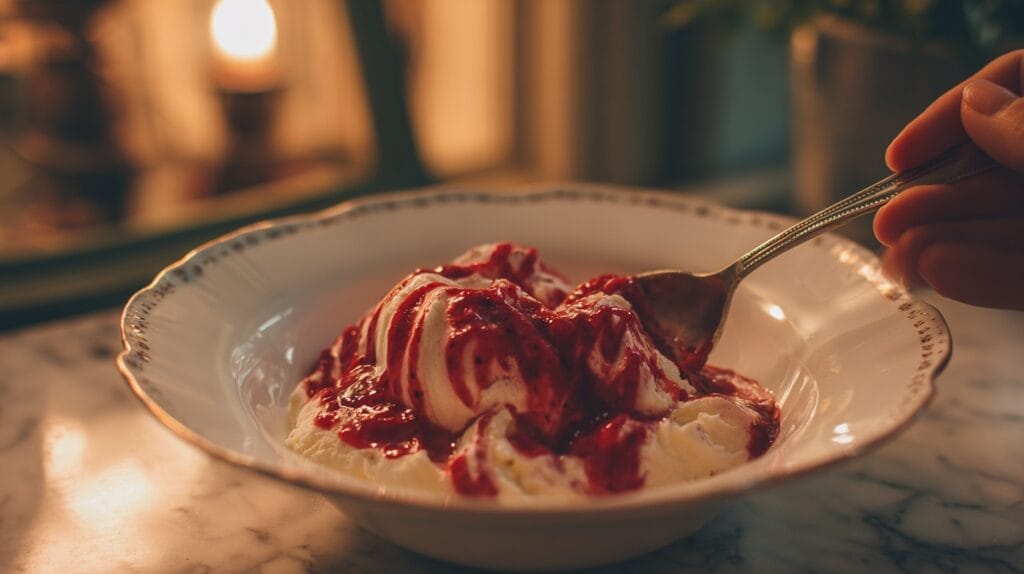
Drizzle this puree over vanilla bean ice cream, yogurt parfaits, or pancakes. For a textural contrast, stir the puree into whipped cream to create a strawberry foam to top hot chocolate or coffee.
Baking Inclusions
Swirl the puree into cheesecake batter before baking to create a marbled effect. You can also use it as a filling for cupcakes. Simply core out the center of a baked vanilla cupcake and pipe in the thickened puree.
Zero-Proof Mixology (Mocktails)
Strawberry puree is a bartender’s best friend for non-alcoholic drinks.
Strawberry Basil Smash: Muddle fresh basil in a shaker, add 2 oz of strawberry puree, 1 oz of fresh lime juice, and ice. Shake vigorously and strain into a glass filled with crushed ice. Top with sparkling water.
Frozen Strawberry Limeade: Blend the puree with ice and lime juice for a slushy texture. This is a perfect refresher for hot summer days.
Storage and Preservation of Strawberry Puree
Since fresh strawberries are highly perishable, processing them into puree is an excellent preservation method. However, because we are not adding massive amounts of sugar (like in jam), the shelf life differs.
Refrigeration
Fresh strawberry puree keeps in the refrigerator for 3 to 5 days in an airtight container. If you have added lemon juice, it may last a day longer, but check for any signs of fermentation (bubbling or off-smells).
Freezing
This is the best method for long-term storage.
Ice Cube Trays: Pour the puree into ice cube trays. Once frozen, pop the cubes out and store them in a freezer bag. This allows you to grab distinct portions one cube for a smoothie, two cubes for a sauce base.
Vacuum Sealing: For larger batches, freeze the puree flat in vacuum-seal bags. This saves space and prevents freezer burn. Frozen puree maintains best quality for up to 6 months.
For detailed safety information regarding freezing fruit products, the FoodSafety.gov FoodKeeper App is an invaluable resource for checking specific storage timelines.
Perfect Pairings from TheWorldBites
Complete your meal with these tried-and-tested favorites from our collection:
Fresh Strawberry Puree
Ingredients
Method
- Thoroughly wash the strawberries under cold water, remove the green hulls, and cut the larger berries in half.
- Place the prepared strawberries, sugar, and lemon juice into a high-speed blender or food processor.
- Pulse until the mixture is completely smooth and no large fruit chunks remain.
- For a seedless coulis, press the mixture through a fine-mesh sieve into a clean bowl; otherwise, serve as is for a rustic texture.
- Transfer the puree to an airtight container and refrigerate until ready to serve.
Chef’s Pro Tips for Strawberry Puree
Over years of refining recipes, we have gathered these professional tips to ensure your puree is flawless, avoiding common pitfalls.
1. Temperature Matters for Beef Glazing
When using the puree as a glaze for beef ribs or brisket, do not apply it at the beginning of the cook. The natural sugars in the strawberries will burn before the meat is tender. Apply the strawberry puree-based sauce only in the last 15 to 20 minutes of cooking to set the glaze without scorching it.
2. Taste Your Fruit First
Never blindly follow the sugar quantity in a recipe. Taste your raw strawberries first. If they are early-season and tart, you will need more sweetener. If they are late-season and sugary, you might need practically no sugar at all. Always adjust to taste.
3. The “Bloody Mary” Mocktail Hack
For a unique twist on a virgin Bloody Mary, add a tablespoon of strawberry puree to the tomato juice base. It sounds unusual, but the sweetness balances the heavy tomato acidity, and it pairs exceptionally well with a garnish of Beef Jerky or a Beef Stick.
4. Rescue Over-Thickened Puree
If you accidentally reduce your puree too much and it resembles a paste, do not just add water, which can dilute flavor. Whisk in a little fruit juice (apple or white grape) or even a warm beef broth if you are strictly using it for a savory sauce. This loosens the texture while adding complexity.
5. Avoid Reactive Cookware
When heating strawberry puree, avoid aluminum or cast iron pans (unless well-seasoned). The acid in the berries can react with the metal, imparting a metallic taste to your lovely fruit sauce. Stick to stainless steel or enameled cast iron.
Conclusion
Mastering strawberry puree is a gateway to elevating both your pastry and savory kitchen skills. It is a testament to how a simple ingredient, treated with respect and technique, can transform a dish. From the bright, sweet burst in a morning yogurt to the sophisticated, caramelized glaze on a rack of beef ribs, this puree is a powerhouse of flavor.
By choosing high-quality berries, understanding the role of acidity, and embracing the bold decision to pair fruit with beef instead of pork, you open up a new dimension of culinary creativity. Whether you are freezing batches for winter or blending a fresh sauce for tonight’s dinner, this guide ensures your strawberry puree will always be vibrant, delicious, and perfectly executed.