
Vegetable napa cabbage is a culinary chameleon that dominates the world of texture-driven cuisine, offering a sweet, mild flavor profile that pairs exceptionally well with robust proteins like beef. This guide will take you through a comprehensive journey of mastering napa cabbage, specifically tailored for those seeking a secular, beef-centric approach to gastronomy. From selecting the crispest heads to mastering the science of the stir-fry without a drop of wine, this is your definitive resource.
Table of Contents
Introduction to the Versatility of Vegetable Napa Cabbage
Vegetable napa cabbage, known botanically as Brassica rapa subsp. pekinensis, differs significantly from the standard round green cabbage found in Western supermarkets. Its leaves are oblong, crinkled, and packed with water, featuring a distinct separation between the leafy green tips and the thick, white, crunchy ribs. This structural duality is what makes it a superstar in the kitchen; the leaves wilt into a tender, sauce-absorbing silkiness, while the ribs retain a satisfying snap even after cooking.
In the context of modern cooking, vegetable napa cabbage is often celebrated for its ability to balance rich, savory dishes. Because it is naturally sweet and high in water content, it acts as a palate cleanser within the dish itself, cutting through the richness of rendered fats. While historically associated with various regional cuisines, its application is universal. Whether you are making a quick weeknight dinner or a complex feast, this vegetable provides the volume and nutritional density required for a balanced meal.
The Beef Advantage: Why We Skip the Pork
For decades, culinary traditions have defaulted to pork products like bacon or lard to season cabbage dishes. However, this reliance on pork often masks the delicate sweetness of the vegetable with overpowering saltiness. By strictly excluding pork and opting for premium beef alternatives, we elevate the dish to a cleaner, more robust flavor profile.
Beef Bacon: The Superior Smoke
When a recipe calls for a smoky, salty element to contrast the sweetness of vegetable napa cabbage, Beef Bacon is the undisputed champion. Unlike pork bacon, which can be overly greasy, beef bacon cured from the plate or brisket offers a deeper, meatier “chew.” The fat renders out cleanly, providing a pool of beef tallow that becomes the foundation of your stir-fry oil. This tallow has a high smoke point and imparts a distinct savory note that vegetable oil simply cannot replicate.
Minced Beef and Beef Tallow
For dishes requiring ground meat, high-fat ground beef (80/20) is essential. The rendering process releases beef tallow, which coats the vegetable napa cabbage leaves, aiding in heat transfer and flavor absorption. This approach aligns perfectly with Halal-friendly dietary requirements while satisfying the universal craving for a hearty, meaty accompaniment to vegetables.
Ingredient Deep Dive: Sourcing Quality and Flavor
To create a restaurant-quality dish using vegetable napa cabbage without alcohol or pork, every ingredient must work harder. We rely on the synergy of fermentation, natural salinity, and fresh aromatics.
The Cabbage
When shopping for vegetable napa cabbage, look for heads that feel heavy for their size. This indicates high water content, which translates to a crisp texture. The leaves should be tightly wrapped, with no signs of wilting or black spots on the ribs. The outer leaves should be a pale green, fading to a creamy white at the base.
The Aromatics
Since we are not using cooking wine to deglaze or flavor the dish, aromatics are non-negotiable.
- Garlic: Smash fresh cloves to release oils, then mince.
- Ginger: Essential for cutting the richness of the beef fat.
- Scallions: Use the whites for cooking and the greens for garnish.
The Sauce Components (Alcohol-Free)
Many sauces hide alcohol in the form of mirin, sake, or extracts. To maintain strict compliance while maximizing flavor, use the following:
- Beef Broth: A concentrated beef bone broth is the perfect liquid base. It reinforces the beef notes from the meat.
- Soy Sauce: Provides the requisite salinity and umami.
- Oyster Sauce (Check Label): Ensure you select a brand that uses oyster extract, sugar, and cornstarch without any added wine or spirits. This adds the thick, glossy sheen to the vegetable napa cabbage.
- Rice Vinegar: Adds the necessary acidity to brighten the dish, replacing the “bite” usually provided by alcohol.
The Science and Nutrition of Vegetable Napa Cabbage
Integrating vegetable napa cabbage into your diet is not just a culinary delight but a nutritional powerhouse move. It is incredibly low in calories but high in volume, making it an excellent choice for weight management.
From a micronutrient perspective, it is loaded with Vitamins C and K. According to nutritional data from Healthline, cruciferous vegetables like napa cabbage contain powerful antioxidants that help reduce inflammation. The high fiber content aids in digestion, while the water content helps maintain hydration.
When we pair this with beef, we create a complete nutritional profile. The beef provides heme iron, B12, and high-quality protein, which are essential for muscle maintenance and energy. For more on the benefits of lean beef protein, you can reference the Beef. It’s What’s For Dinner nutrition hub (managed by the NCBA). Combining the iron from beef with the Vitamin C from the cabbage actually enhances the body’s ability to absorb the iron, making this pairing scientifically synergistic.
Furthermore, cooking the cabbage lightly (stir-frying) preserves more nutrients than boiling. For a broader understanding of healthy vegetable preparation, Harvard T.H. Chan School of Public Health offers extensive resources on integrating plant-based foods into your diet effectively.
Preparation Mastery: Cutting and Cleaning
Handling vegetable napa cabbage requires a specific technique to ensure even cooking. If you simply chop it randomly, the leafy tips will turn to mush before the thick white ribs are tender.
Step 1: The Wash
Napa cabbage can trap soil between its layers. Cut the bottom inch off the head to separate the leaves. Rinse each leaf individually under cold running water. Pat them dry thoroughly. Excessive water will cause the cabbage to steam rather than sear in the wok.
Step 2: The Bias Cut
Stack 3-4 leaves on top of each other. Cut the cabbage crosswise into 1-inch strips. Separate the thick white rib pieces from the crinkly green leaf pieces into two different bowls. This “mise en place” is critical because the ribs need a 2-minute head start in the pan.
The Masterclass Process: High Heat and Beef Fats
This section outlines the definitive method for cooking vegetable napa cabbage with beef. We utilize thermal shock to maintain crunch while infusing savory flavors.
Phase 1: Rendering the Beef
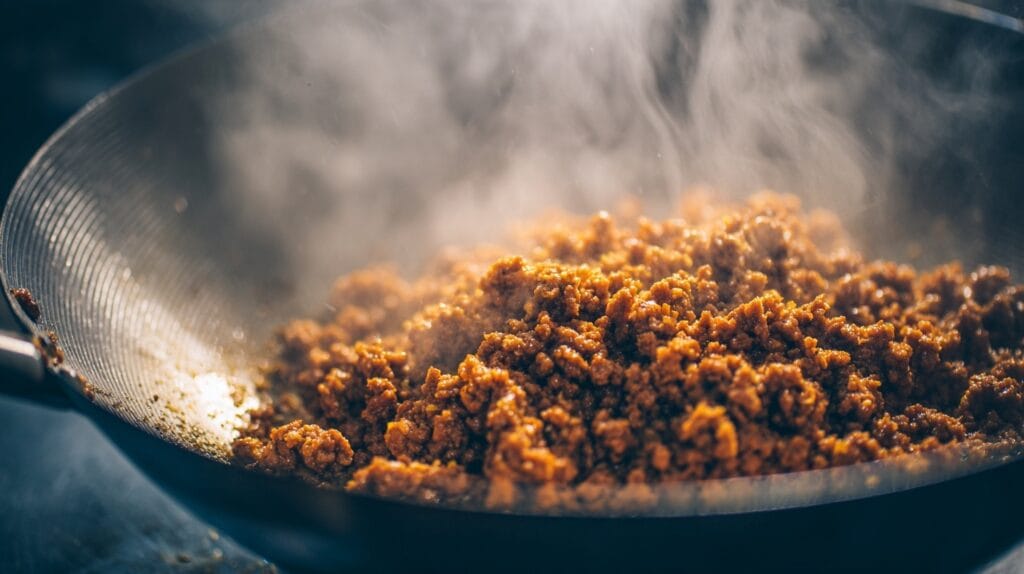
Heat your wok or large skillet over medium heat. Add chopped Beef Bacon or ground beef. Allow the fat to render slowly. We want to extract the liquid gold (beef tallow) and crisp up the meat. Once the beef is browned and crispy, remove the meat with a slotted spoon, leaving the rendered fat in the pan. This fat is the flavor engine for the vegetable napa cabbage.
Phase 2: Aromatics and Ribs
Increase the heat to high. The beef fat should be shimmering. Add your garlic, ginger, and scallion whites. Stir constantly for 30 seconds until fragrant do not burn. Immediately toss in the white rib sections of the vegetable napa cabbage. Stir-fry vigorously for 2 to 3 minutes. The ribs should become glossy and slightly translucent at the edges but remain firm.
Phase 3: The Leaf and The Sauce
Add the green leafy sections to the wok. Pour your sauce mixture (Beef broth, soy sauce, vinegar, sugar, sesame oil) around the perimeter of the hot wok. This technique sears the sauce, creating a caramelized aroma. Toss everything together. The volume will reduce significantly as the leaves wilt. Return the crispy beef to the pan.
Phase 4: The Finish
Cook for another 60 seconds. If you desire a thicker sauce, add a slurry of cornstarch and cold water (1 teaspoon each) and toss until the sauce clings to the vegetable napa cabbage. Turn off the heat immediately to prevent overcooking.
Perfect Pairings from TheWorldBites
Complete your meal with these tried-and-tested favorites from our collection:
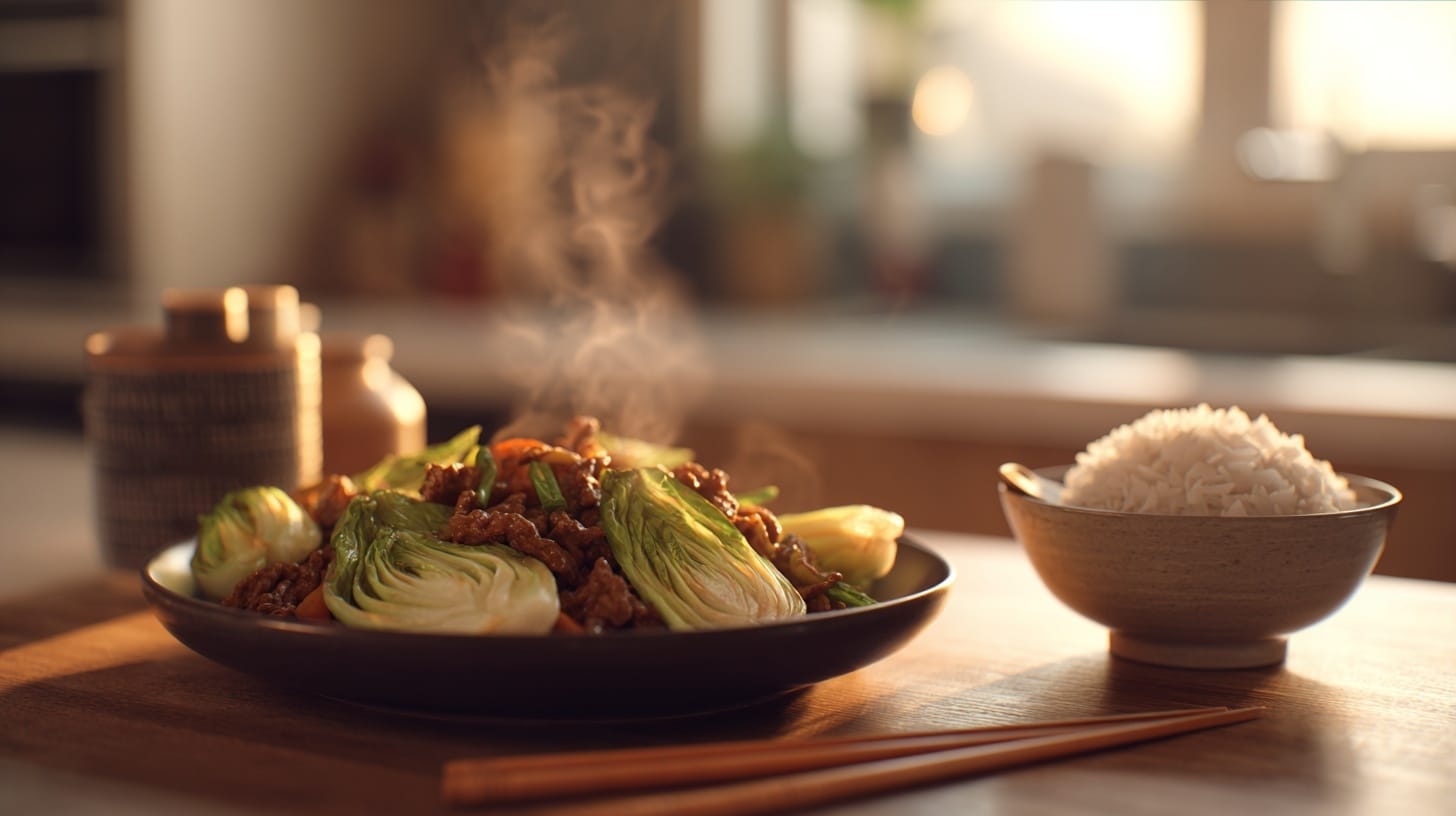
Savory Vegetable Napa Cabbage with Beef
Ingredients
Method
- Heat a large wok or skillet over medium-high heat. Add the ground beef and cook until thoroughly browned, breaking it into small crumbles with a spatula.
- Add the minced garlic and grated ginger to the beef. Sauté for 1-2 minutes until fragrant, being careful not to burn the garlic.
- Toss in the chopped vegetable napa cabbage. Stir-fry for 3-4 minutes until the leaves begin to wilt but the stalks remain slightly crisp.
- Pour in the soy sauce and beef broth. Stir well to coat the beef and cabbage evenly.
- Stir in the cornstarch slurry and cook for another 1 minute until the sauce thickens and becomes glossy.
- Remove from heat, drizzle with sesame oil, and serve immediately over steamed rice.
Texture Variations: Braised vs. Wok-Fried
While the stir-fry method is the most popular, vegetable napa cabbage is incredibly versatile. Depending on your preference for texture, you can alter the cooking method while keeping the ingredients strictly beef-based and alcohol-free.
The “Creamy” Braise
If you prefer a softer, comforting texture, the braise method is superior. After searing your beef (perhaps chunks of beef brisket or short rib instead of bacon), add the cabbage ribs and leaves at the same time. Add 1 cup of beef stock instead of a splash. Cover the pot and simmer on low for 20 minutes. The vegetable napa cabbage will release its natural sugars into the broth, creating a sweet and savory soup. This is often referred to as “melting cabbage.”
The Raw Slaw
Vegetable napa cabbage is delicious raw. Thinly slice the cabbage (shredded). Toss it with a dressing made from lime juice, fish sauce (check labels for no alcohol), chili flakes, and sugar. Top with dried beef jerky shreds or crisped spiced beef crumbles. This provides a refreshing, crunchy contrast to heavy main courses.
Chef’s Pro Tips for Alcohol-Free Flavor Depth
Cooking without wine requires creativity to mimic the complex fermentation flavors usually provided by alcohol. Here are professional secrets to getting the most out of your vegetable napa cabbage dish.
1. The Acid Balance
Alcohol often provides a subtle acidity. When removing it, you must replace it. Rice vinegar is standard, but for a deeper flavor that mimics dark wines, try a blend of balsamic vinegar and beef broth. The slight sweetness of balsamic pairs perfectly with the charred edges of the vegetable napa cabbage.
2. Smoking the Vegetable
Since we aren’t using pork bacon, we can amplify the smokiness of the beef by letting the wok get smoking hot before adding the oil. Charring the vegetable napa cabbage slightly adds a “Wok Hei” (breath of the wok) flavor that tastes roasted and complex.
3. Umami Bombs
To replace the depth of flavor enhancers that might contain restricted ingredients, use dried shiitake mushrooms. Soak them in warm water (discard the water if unsure, or use it as broth). Slice the mushrooms and stir-fry them with the beef. They add a meaty texture and an earthy flavor that complements the vegetable napa cabbage beautifully.
4. Beef Pepperoni Hack
If you cannot find beef bacon, high-quality beef pepperoni is a fantastic substitute. Dice it small and render it out. The paprika and garlic spices in the pepperoni infuse the oil, seasoning the entire vegetable napa cabbage dish from the inside out.
Storage and Leftovers
Vegetable napa cabbage dishes are best eaten fresh to maintain crunch. However, if you have leftovers, store them in an airtight container for up to 2 days. Reheat in a skillet, not a microwave, to bring back some of the texture. Note that the cabbage will release more water as it sits, so the sauce may be thinner upon reheating.
Conclusion
Vegetable napa cabbage is far more than a filler ingredient; it is a textural masterpiece waiting to be unlocked. By stepping away from pork and alcohol, and embracing the rich, savory profile of beef and natural fermentation, you create a dish that is cleaner, bolder, and inclusive. Whether you are searing it with beef bacon for a quick dinner or braising it with brisket for a winter meal, the humble napa cabbage delivers sweetness and crunch in every bite. Follow the techniques outlined above, respect the produce, and enjoy the ultimate beef and vegetable experience.